Introduction:
Lake Naivasha is home to one of the most fascinating and misunderstood animals in Africa — the hippopotamus. Whether you spot them from the shore or glide past them on a boat safari, hippos are always one of the biggest highlights of any visit to Naivasha. Here’s everything you need to know about these incredible creatures before your visit.
What Are Hippos?
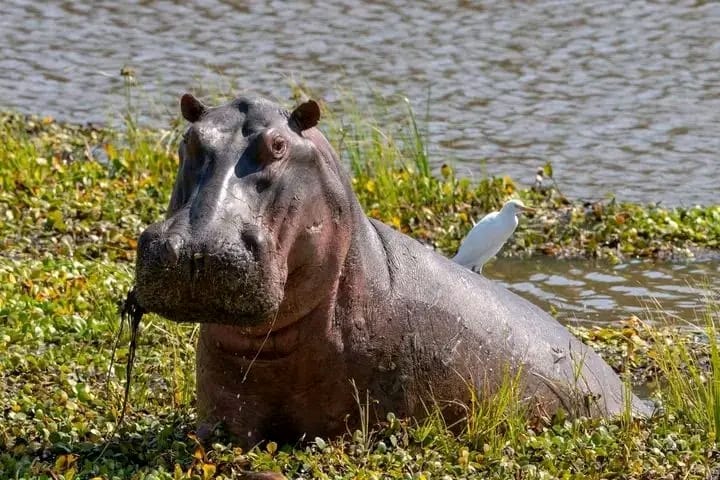
Hippos are the third largest land mammals on earth after elephants and rhinos. Despite their bulky appearance, they are surprisingly fast both in water and on land. An adult hippo can weigh up to 3,000 kilograms and live for up to 40 years in the wild.
Where Exactly Can You See Them?
Lake Naivasha has a healthy and thriving hippo population. They are most commonly spotted around the shallow edges and papyrus-lined shores of the lake. On a boat safari with Tranquility Boat Safaris, you’ll often come across groups of hippos resting partially submerged in the water — sometimes just a few metres from the boat.
When Are Hippos Most Active?
Hippos are largely nocturnal animals. During the day they spend most of their time submerged in the cool water to protect their sensitive skin from the sun. At night they come ashore to graze on grass — sometimes travelling several kilometres from the lake.
The best time to see hippos on Lake Naivasha is early morning when they are still active near the surface before the heat of the day sets in.
Are Hippos Dangerous?
Yes — hippos are considered one of the most dangerous animals in Africa. Despite their calm appearance in water, they are highly territorial and can become aggressive if they feel threatened. This is why it is extremely important to always view hippos from a safe distance and never get between a hippo and the water.
On our boat safaris, our experienced guides always maintain a safe and respectful distance from hippos — ensuring your safety while still giving you an incredible up-close experience.
Interesting Facts About Hippos
- Hippos can hold their breath underwater for up to 5 minutes
- They secrete a natural red oily substance from their skin that acts as both a sunscreen and antiseptic
- Despite spending most of their time in water, hippos cannot actually swim — they walk or bounce along the bottom
- A group of hippos is called a bloat
- Hippos communicate through a series of grunts, bellows and roars that can be heard from kilometres away
- Baby hippos are born underwater and can weigh up to 50 kilograms at birth
Hippos and the Lake Naivasha Ecosystem
Hippos play a vital role in maintaining the health of Lake Naivasha. Their dung provides nutrients that support the growth of aquatic plants and fish populations. Without hippos the entire ecosystem of the lake would look very different.
Tips for Viewing Hippos Safely
- Always view from a boat with an experienced guide
- Never stand between a hippo and the water
- Keep noise levels low — sudden loud sounds can startle them
- Do not feed or attempt to touch hippos under any circumstances
- Bring binoculars and a camera with a good zoom lens
Closing paragraph:
Seeing hippos in their natural habitat on Lake Naivasha is a truly humbling experience. These magnificent animals have roamed African waterways for millions of years and getting to observe them up close — safely and responsibly — is something you will never forget.